Apple TV's For All Mankind has made a noticeable mark in the world of television dramas. As it ventures into its fourth season, the show continues to explore the what-ifs of an alternate space race history, engaging viewers with its intricate storytelling and character development.
With the recent release of season 4 there's an opportunity for screenwriters and enthusiasts to dive into the nuances of crafting compelling narrative arcs.
In this blog, we'll take a closer look at these new episodes, examining how they build on the show's established themes and characters.
Quick overview of For All Mankind
For All Mankind, an Apple TV+ series, reimagines history by exploring what might have happened if the global space race had never ended.
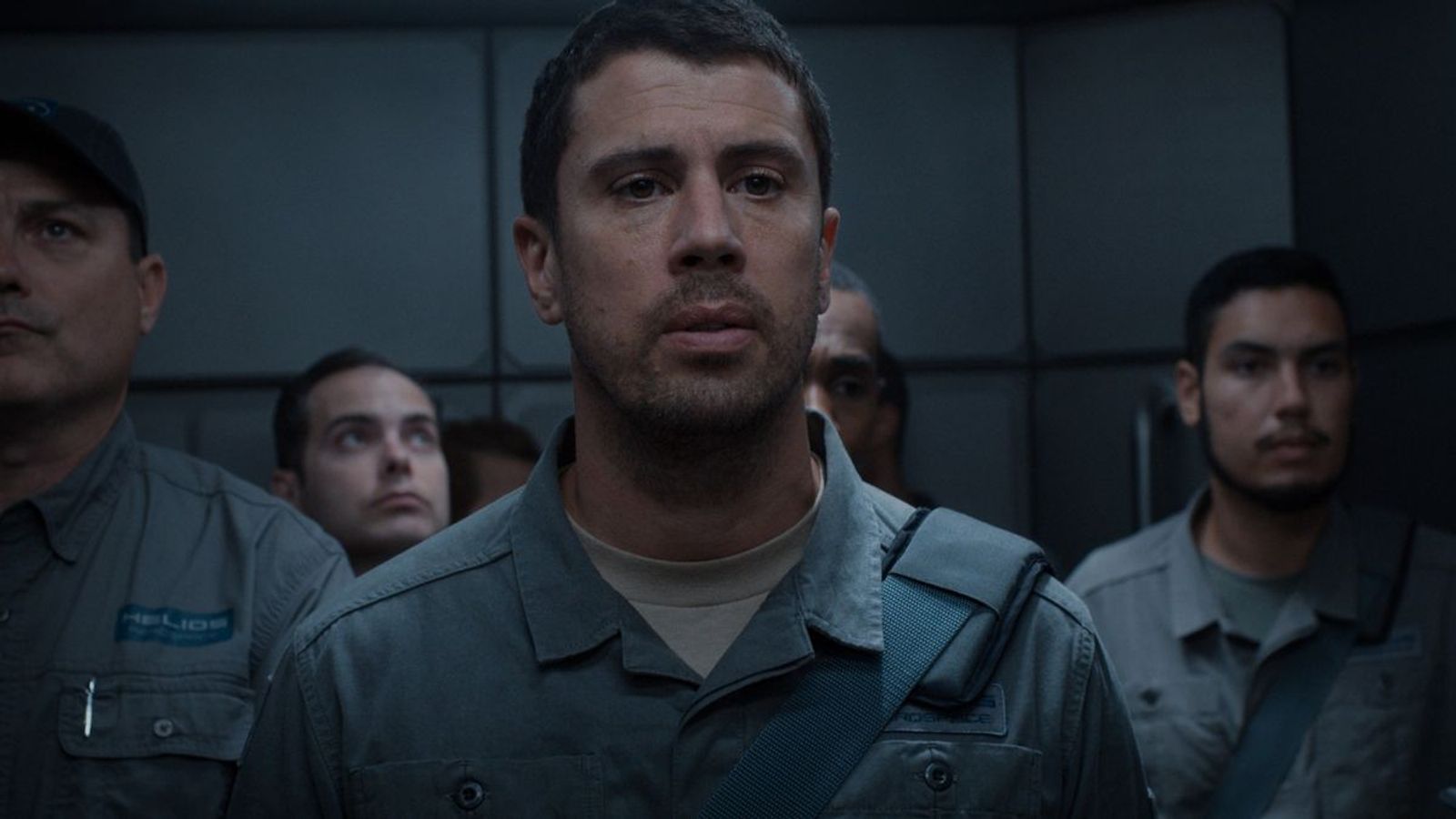
Season 4 introduces a host of new characters as time moves on and the original cast of characters grow old
The show's first three seasons have intricately woven fictional and historical elements, creating a compelling alternate reality.
In the first season, set in the late 1960s and early 1970s, the USSR succeeds in landing the first man on the moon, leading to an intensified space race. Central characters like NASA astronaut Edward Baldwin and his wife Karen, along with other astronauts and NASA staff, navigate this new reality..
The second season, advancing into the 1980s, delves deeper into the Cold War tensions and their effects on the space race. It introduces new challenges, including the militarization of space.
Season three takes a significant leap into the early 1990s, with Mars exploration becoming the new frontier. This season expands the narrative scope, introducing new characters and dynamics, while continuing the journeys of established characters. The race to Mars brings new alliances and rivalries, both on Earth and in space.
Season 4 is set in 2003. Al Gore has beat George H.W. Bush to become President, the Soviet Union continues under Gorbachev and a fully-fledged base has been established on Mars under the command of season regular Ed Baldwin.
Dissecting the narrative arcs in For All Mankind
As a multi-season project For All Mankind has many narrative arcs which weave in-and-out in terms of importance as the show progresses. Let’s break them down.
Season 4 of For All Mankind continues the intricate storytelling that has become the show's hallmark. Episode 1, "Glasnost," sets a resonant tone for the season, incorporating the rich backstories of previous seasons into the evolving narratives of its characters and their missions. Here's how these arcs develop:
Advancing the space race
The show's timeline montage up to 2003 and the efforts to move an asteroid into Mars' orbit for resources depict an evolved and united space program. This reflects a significant advancement from the show's depiction of the earlier, more fragmented space race where the USSR's lead in the moon landing in Season 1 set a competitive tone that has gradually shifted towards collaboration.

Season 4 opens on Happy Valley, a space research base opened between the events of season 3 and season 4
Character evolution
Margo's life in the Soviet Union, contrasted with her once dynamic role within NASA, shows a significant character shift from past seasons. Similarly, Kelly Baldwin's character is back on Earth grappling with the contrast between her professional aspirations and personal life—a theme that has been recurrent, as seen with her father Ed's struggles between his duties and family, particularly after the loss of his son Shane in Season 1.
Interplay of politics and personal lives
The aborted mission and Margo's rebuffed attempts to contact Soviet space leadership illustrate the political complexities of space exploration, a theme that has been explored since Season 1, such as when Margo confronted Wernher Von Braun about his past and when politics directly affected NASA's decisions.
Introduction of new characters and dynamics
Unemployed oil rig worker Miles Dale represents the new characters introduced each season, bringing fresh perspectives and deepening the show's narrative layers. His economic motivations for joining the Mars mission echo the personal stakes highlighted in previous seasons, such as the Stevens family dynamics and Gordo's mental health challenges.
Themes of sacrifice and ambition
The characters' willingness to risk for their ambitions is a persistent theme. Danielle Poole's decision to return to Mars underscores this, much like Ed's continual return to space, despite personal losses. This mirrors the difficult choices characters faced in previous seasons, such as Molly Cobb's sacrifice for the mission by rappelling into a lunar crater in Season 1.
Technological and scientific challenges
The asteroid mission in Season 4 represents the continual scientific challenges that form the backdrop of the series, evolving from the discovery of water on the Moon and the establishment of the Jamestown base in earlier seasons.
Moral and ethical dilemmas
Characters in For All Mankind routinely face moral quandaries, a theme that is likely to continue in Season 4. Past seasons showed this through dilemmas such as Ellen's struggle with her identity, Margo's ethical compromises for technological progress, and the astronauts' decisions under extreme stress.
Lessons for screenwriters
The nuanced narrative of For All Mankind provides a wellspring of lessons for screenwriters. Here are some key takeaways, enriched by the specifics of the show's episodes across seasons:
Leverage historical context
The show's alternate history premise, beginning with the Soviet Union's moon landing, teaches the power of 'what if' scenarios. It encourages writers to ask how a single change in history could ripple through time, affecting global politics, technological advancements, and personal lives. The continued space race provides a backdrop for personal and political dramas that unfold over decades.
Complex characters are key
Characters like Margo, who navigates life in the Soviet Union, demonstrate the need for characters with depth that evolve over time. Her journey from a dynamic role within NASA to a more subdued existence shows how characters must adapt and evolve, reflecting on past decisions and their long-term impacts.
Balancing plot with character development
The integration of personal stories, such as Kelly Baldwin’s return to Earth and her father's contemplative reflection on his career, with the larger narrative arcs, like the Mars mission, underscores the importance of balancing character development with plot progression.
Diversity in motivation
Introducing characters like Miles Dale in Season 4 shows the importance of having a diverse set of motivations for characters. Whether it's financial necessity, professional ambition, or ideological drive, varied motivations enrich the narrative and allow for complex interpersonal dynamics.
Handling time jumps effectively
For All Mankind jumps through time, from the 1960s to the early 2000s, teaching screenwriters how to handle time transitions effectively. The show uses these jumps to show technological progress and its effects on the characters' lives, both of which are critical to maintaining a coherent narrative through significant temporal shifts.
The impact of technology on story
The technological challenges depicted, such as the move of an asteroid into Mars' orbit, present a lesson in incorporating scientific and technological elements as drivers of the story. These elements should serve the narrative, posing challenges and solutions that propel character development and plot.
Moral ambiguity adds depth
Ethical dilemmas, such as those faced by characters like Margo and the astronauts, add complexity to the narrative. Screenwriters can learn to use moral ambiguity to explore the gray areas within their characters, creating more engaging and thought-provoking stories.
Use of symbolism and themes
The show’s recurring themes of sacrifice, ambition, and legacy, highlighted by Ed Baldwin’s reflection on his career and the astronaut pictures, serve as a reminder that strong themes and symbols can be powerful tools for reinforcing the emotional resonance of a story.
Watch For All Mankind with screenwriters eyes
For screenwriters looking to capture the hearts and minds of their audience, the show underscores the importance of weaving personal tales into larger narratives, ensuring each character's journey resonates with authenticity and impact.
As we await the unfolding of Season 4's narrative with the first two episodes just released, let's take a moment to appreciate the artistry in its storytelling—a celestial guide for our own screenwriting adventures.
Remember Arc Studio can be downloaded for FREE today, no credit card required. So there’s no excuse not to get writing TODAY.